


Luxury Kenya Safari for First-Timers: A Complete 2026 Planning Guide
- cheetahsafaris3
- Jun 17
- 7 min read

A luxury Kenya safari puts first-time travelers in private vehicles, small owner-run camps, and prime viewing spots for the Big Five, all without the crowded trucks that define a standard tour. Kenya holds its place as a top pick for travelers who want strong wildlife sightings paired with attentive, personal service, and 2026 brings fresh camp openings, updated conservancy fees, and a migration calendar that shifts the best booking windows slightly from past years.
This article gives first-time travelers a clear path through every choice that shapes a luxury Kenya safaris which months to pick, how many days to set aside, what camps actually qualify as luxury, and how much the trip costs once flights and park fees enter the math. Cheetah Safaris and other established operators build their 2026 itineraries around the same core decisions covered here, so you can apply this guide to any luxury Kenya trip you book.
Kenya stands out among African safari countries for three reasons: high wildlife density in reserves such as the Maasai Mara and Amboseli, a strong network of small, family-run luxury camps, and a guiding culture built on private vehicles rather than shared seating. Travelers who plan around these three points before they book a trip avoid the most common first-timer errors: traveling in the wrong month for their goals and packing too many parks into too few days.
Why a Kenya Safari Suits First-Time Travelers
A first safari carries a learning curve, and luxury camps remove most of the friction that trips up new travelers. A private guide adjusts each game drive around your pace rather than a group schedule, so you stay longer at a lion sighting instead of moving on for someone else's preference. Camps with ten to twenty tents place you among guests, not a crowd, and most staff members learn your name and dietary needs by your second meal.
Private conservancies bordering the main reserves add another layer that suits first-timers well. These conservancies cap vehicle numbers, allow night drives and walking safaris that public reserves restrict, and put you closer to wildlife with far less competition for the same sighting. First-time travelers who choose a luxury circuit tend to leave with more wildlife time and fewer logistics headaches than those who book a standard group tour.
Picking Your 2026 Travel Dates
Kenya's weather splits the year into three planning windows, and each suits a different type of first-timer.
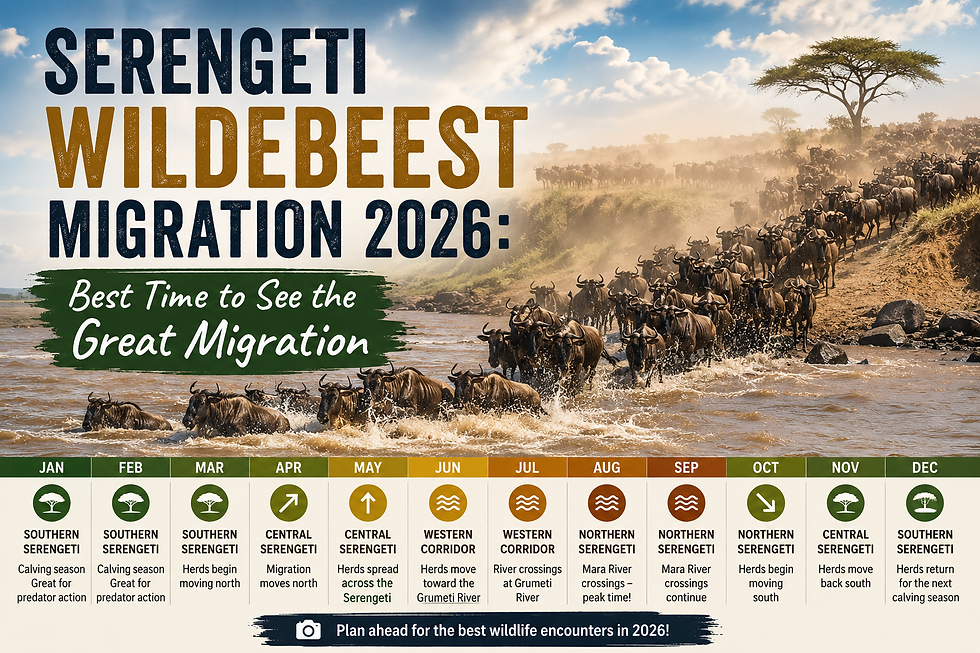
June through October stays dry, cool in the mornings, and active with wildlife clustering near water. The Great Migration typically reaches the Maasai Mara from July onward and stays through October, which makes this stretch the busiest and most expensive on the calendar. Book camps for this window nine to twelve months out, since the best tents sell out a year ahead for peak weeks.
The short rains arrive in November and December, and most camps stay fully open through brief afternoon showers. Rates drop from peak pricing, and the landscape turns green, a detail photographers often prefer over the dust of August. January through March brings a second dry stretch with calving season on the southern plains, fewer travelers overall, and rates that sit between peak and shoulder pricing. April and May bring the long rains, and most luxury camps either close or cut rates sharply, which suits a return trip more than a first one.
Setting Up Your First Itinerary
A first-time circuit works best at seven to ten days, long enough to give two or three parks proper time without rushing transfers every other day. A frequent, well-paced route pairs three nights in the Maasai Mara with three nights in Amboseli or Samburu, bookended by a night in Nairobi.
Trips of four to five days work for travelers who fly straight into one park and skip transfers entirely, but a single park limits you to one set of wildlife and one landscape type. Travelers with twelve to fourteen days often add a coastal stretch in Diani or a Laikipia stop for rhino tracking and walking safaris. First-timers consistently report wishing they had booked one extra day rather than cutting a park short to save a night.
What Separates a Five-Star Camp From a Standard Lodge
Price alone does not make a camp luxury. Five features mark the real difference. A private vehicle and dedicated guide for your group, rather than a shared truck, sit at the top. Small camp size matters next, since a 12-tent camp with a high staff ratio delivers attention a 60-room lodge cannot match. Location inside a private conservancy, rather than a public reserve alone, gives your guide freedom to drive off-track and run night drives.
Fly-in access between parks rounds out the practical side, cutting a six-hour road transfer to a 45-minute flight. Last, the small daily touches set the tone: a bush breakfast after a morning drive, a sundowner at a private spot, or a chef who builds the evening menu around your group rather than a fixed buffet. A camp delivering most of these points sits in the genuine luxury tier first-timers' picture when they start researching a Kenya trip.
Also Read:- Kenya and Tanzania Safari Cost 2026
A Realistic 2026 Budget
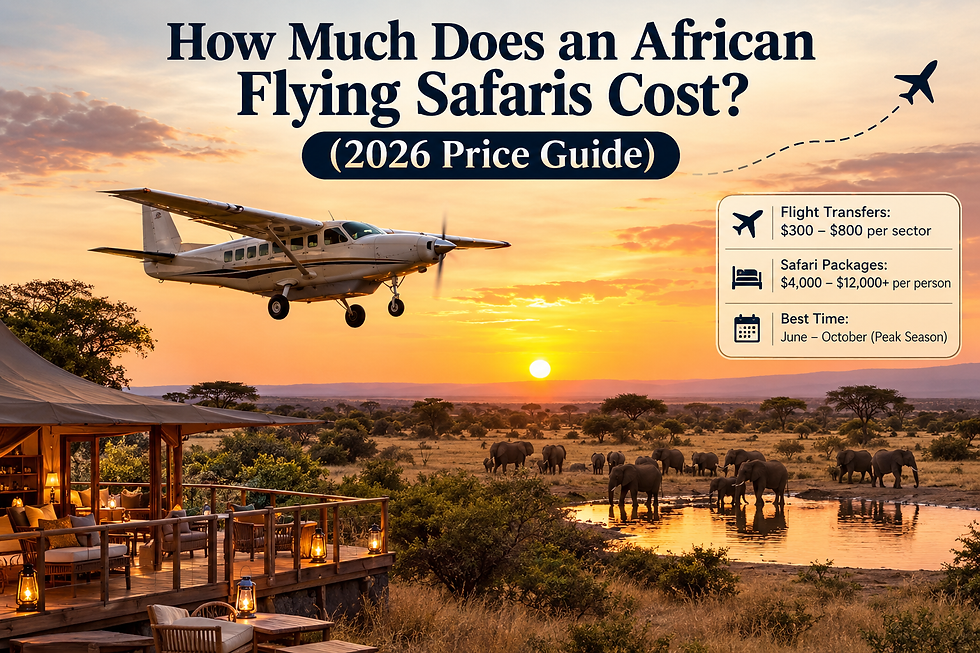
Plan on $700 to $1,500 per person per night at true luxury camps, with most all-inclusive rates covering meals, house drinks, and two daily game drives. A seven- to ten-night trip for two travelers commonly lands between $9,000 and $20,000 once domestic flights and park fees join the total.
Park and conservancy fees sit outside most camp rates and apply per day per person, so confirm whether your quote already folds these in or lists them separately. Domestic flights between parks run $150 to $350 per person each leg. A private vehicle and guide for a road-based itinerary adds a daily charge on top of camp costs, so a fly-in plan and a road plan rarely land at the same final number, even when camp choices match.
Road Transfers or Light-Aircraft Flights?
Light aircraft suits first-timers working with seven to ten days who want camp time over travel time. Most flights from Nairobi reach a major park in less than an hour, which frees up nearly a full day compared with driving.
Road transfers suit travelers building a longer trip who want the landscape itself as part of the experience. A private 4x4 between Nairobi, Lake Naivasha, and the Mara adds stops most flight itineraries skip entirely, and road transport across a longer trip often costs less overall than several short flights. First-timers on a tight schedule do best flying between parks; those with two weeks or more gain from mixing both methods across the trip.
Packing for a First Luxury Safari
Most camps run same-day laundry, and most light aircraft cap luggage at 15 kilograms in a soft duffel, so pack light rather than heavy.
Lightweight, neutral-toned clothing for daytime drives, plus a warm layer for cold pre-dawn departures.
Closed shoes for campgrounds and bush walks, sandals for evenings around the fire.
A wide-brim hat, sunglasses, and strong sunscreen.
Insect repellent and any anti-malarial medication a doctor prescribes ahead of the trip.
Binoculars and a camera body with a zoom lens; camps rent binoculars but at a daily fee.
Passport, eTA confirmation, travel insurance papers, and a printed copy of your full itinerary.
Skip packing extra toiletries or bottled water, since nearly every camp stocks both.
Checking a Safari Company Before You Book
Four checks separate a trustworthy operator from a risky one. Confirm the company carries licensed guides and membership with a recognized trade body such as the Kenya Association of Tour Operators. Ask for a cost breakdown that splits camp rates, park fees, and transfers into separate lines rather than one bundled figure. Read recent traveler reviews that name specific camps and guides rather than generic praise. Last, ask how the company selects its camps; operators with direct partnerships book better rooms and rates than those routing through a third-party wholesaler.
Cheetah Safaris builds its 2026 Kenya itineraries through direct partnerships with owner-run camps across the Mara, Amboseli, and Samburu, which keeps pricing and camp standards clear for travelers planning a first trip. Compare current routes and lodge options on the Cheetah Safaris Luxury Kenya Safaris before locking in dates.
Visa, Health, and Safety Basics
Most travelers apply for a Kenya eTA online before departure rather than a visa on arrival. Check current yellow fever rules if your flight route passes through a country where proof of vaccination applies at entry, since Kenya checks this for travelers connecting through affected regions. Talk to a travel clinic about anti-malarial medication several weeks ahead of departure, and buy travel insurance that covers medical evacuation, since remote camps typically rely on a flying-doctor response measured in tens of minutes rather than a nearby hospital.
Kenya's main safari circuits carry a strong safety record for visitors, and licensed guides manage wildlife encounters daily without trouble. Standard rules apply on every trip: stay seated inside the vehicle during drives unless your guide says otherwise, and follow camp staff after dark when walking between your tent and the dining area.
Frequently Asked Questions From First-Time Travelers
What does a luxury Kenya safari cost per person in 2026?
Plan for $700 to $1,500 per person per night at top camps, with a typical seven- to ten-night trip for two travelers totaling $9,000 to $20,000 once flights and park fees count.
Should a first safari go to Kenya or Tanzania?
Kenya works well for a first trip thanks to shorter flights from Nairobi, a wider spread of luxury camps, and generally lower park fees. Tanzania suits travelers targeting the southern or western Serengeti during specific migration windows. Many first-timers pick Kenya and add Tanzania on a second trip.
How many days should a first Kenya safari run?
Set aside seven to ten days for a trip covering two or three parks at a comfortable pace. A four- to five-day trip works for a single park but skips the variety most first-timers want.
Is flying between parks worth the extra cost?
Yes, for trips under ten days. A 45-minute flight replaces a multi-hour drive and frees up roughly a full day of camp time, which matters most on shorter first trips.
Which month gives the best Kenya safari experience?
July through October deliver the strongest game viewing and the Mara migration crossings, though rates and crowds peak too. January through March offers calving season, drier weather, and noticeably fewer other travelers.
How much should travelers tip guides and staff in Kenya?
Standard guidance runs $15 to $25 per person per day for a dedicated guide and $10 to $15 per day pooled for camp staff, with luxury camps generally landing at the higher end given their staff-to-guest ratio.
Start Planning Your 2026 Trip Today
A luxury Kenya safari rewards first-time travelers who match their season to their goals, set aside enough days, and pick an operator that lays out every cost upfront. Use the steps above to lock in your dates and route, then compare two or three operators on transparency rather than price alone.
Cheetah Safaris lays out exactly this kind of breakdown for every 2026 route, so you can match your dates and park choices against a clear cost sheet before you commit.
Comments